Square Feet to Cubic Yards Guide
Cubic Yard Results
| Material | Weight/yd³ | Tons/yd³ | Typical Price |
|---|---|---|---|
| Concrete (3000 PSI) | 4,050 lbs | 2.03 tons | $125-$195/yd³ |
| Gravel (crushed stone) | 2,800 lbs | 1.40 tons | $50-$90/yd³ |
| Topsoil | 2,100 lbs | 1.05 tons | $30-$65/yd³ |
| Sand | 2,700 lbs | 1.35 tons | $25-$60/yd³ |
| Mulch (shredded bark) | 400-800 lbs | 0.3 tons | $25-$50/yd³ |
| Pea Gravel | 2,500 lbs | 1.25 tons | $55-$100/yd³ |
The construction industry standardized on cubic yards because it's a practical unit for truck delivery: a standard ready-mix drum truck holds 8-10 cubic yards. A dump truck of gravel or topsoil holds 10-14 cubic yards. When you call a supplier, you order by the yard -- so knowing how to convert your project dimensions directly to yards is the one skill that saves you from ordering too much or running short.
The formula is always the same: cubic yards = (L × W × D in feet) ÷ 27. The "27" comes from the fact that one cubic yard contains exactly 27 cubic feet (3 ft × 3 ft × 3 ft). Everything else -- bag counts, cost estimates, weight calculations -- flows from that one number.
The single most common error in DIY material calculations is mixing inches and feet. A 4-inch slab depth is 0.333 feet, not 4 feet. Entering 4 instead of 0.333 gives you a result 12× too large -- you'd order enough concrete for a 4-foot thick slab. Always convert depth from inches to feet by dividing by 12 before multiplying. Our calculator handles this conversion automatically when you select the Inches input mode.
Square Feet Conversion Reference
- 27 cubic feet
- ~45 bags of 80lb concrete
- ~60 bags of 60lb concrete
- ~1.4 tons of gravel (dry)
- 27 bags of 2 cu ft mulch
For a 4-inch slab, divide total square footage by 81 to get cubic yards. Example: 200 sq ft ÷ 81 = 2.47 yards. This works because 1 cu yd covers exactly 81 sq ft at 4-inch depth.
Square Feet to Cubic Yards -- The Formula Explained
Square feet measures area (a flat surface). Cubic yards measures volume (area plus depth). Ready-mix concrete, gravel, topsoil, mulch, and sand are all sold by the cubic yard -- but you measure your project in square feet. This conversion bridges those two units.
The formula: (Length × Width × Depth in inches) ÷ 324 = Cubic Yards. The number 324 comes from converting 27 cubic feet per yard × 12 inches per foot = 324.
| Area (sq ft) | 2" depth | 4" depth | 6" depth | 12" depth |
|---|---|---|---|---|
| 100 sq ft | 0.62 yds | 1.23 yds | 1.85 yds | 3.70 yds |
| 200 sq ft | 1.23 yds | 2.47 yds | 3.70 yds | 7.41 yds |
| 300 sq ft | 1.85 yds | 3.70 yds | 5.56 yds | 11.11 yds |
| 500 sq ft | 3.09 yds | 6.17 yds | 9.26 yds | 18.52 yds |
| 1,000 sq ft | 6.17 yds | 12.35 yds | 18.52 yds | 37.04 yds |
| 2,000 sq ft | 12.35 yds | 24.69 yds | 37.04 yds | 74.07 yds |
What One Cubic Yard Covers
The easiest way to remember the concrete conversion: divide your square footage by 81 to get cubic yards for a 4-inch slab. This works because one cubic yard covers exactly 81 square feet at 4 inches deep. For other depths, multiply 81 by (4 ÷ your depth in inches).
Material Weights Per Cubic Yard
| Material | Lbs per Cu Yd | Tons per Cu Yd | Notes |
|---|---|---|---|
| Ready-mix concrete | 3,700 | 1.85 | Full truck = ~9 yds = 33,300 lbs |
| Gravel (dry) | 2,800 | 1.40 | Washed stone, pea gravel |
| Sand | 2,700 | 1.35 | Dry -- wet sand is heavier |
| Topsoil | 2,000 | 1.00 | Dry loam estimate |
| Mulch (wood chips) | 400-600 | 0.20-0.30 | Much lighter -- pickup truck friendly |
Cubic Yards FAQ
How do I calculate cubic yards?+
Multiply length × width × depth (all in feet) then divide by 27. The number 27 comes from the fact that one cubic yard contains 27 cubic feet (3 × 3 × 3).
How many cubic yards are in a ton?+
It depends on material density. Concrete: about 0.5 yd³ per ton. Gravel: about 0.75 yd³ per ton. Topsoil: about 0.95 yd³ per ton. Mulch: about 3 yd³ per ton.
How many cubic yards fit in a pickup truck?+
A standard 6-foot pickup truck bed safely holds about 1-1.5 cubic yards of dense material. Check your truck's payload rating before loading heavy materials.
How do I convert inches to cubic yards?+
Divide each inch measurement by 12 to convert to feet, then use L × W × D ÷ 27. Our calculator also accepts inch inputs directly and converts automatically.
What does one cubic yard look like?+
One cubic yard is a cube measuring exactly 3 feet on each side -- roughly the size of a large front-loading washing machine or a standard bathtub filled to the brim.
How many wheelbarrow loads are in a cubic yard?+
A standard contractor wheelbarrow holds 3-4 cubic feet. Since 1 cubic yard = 27 cubic feet, you need approximately 7-9 wheelbarrow loads per cubic yard.
What is the difference between cubic yards and square yards?+
Square yards measure area (length × width, no depth). Cubic yards measure volume (length × width × depth). You need cubic yards whenever calculating three-dimensional material volume.
Affiliate Disclosure: As an Amazon Associate, this site earns from qualifying purchases. Links on this page may earn a small commission at no extra cost to you.
Recommended Jobsite Tools
-
Leveling & Screeding
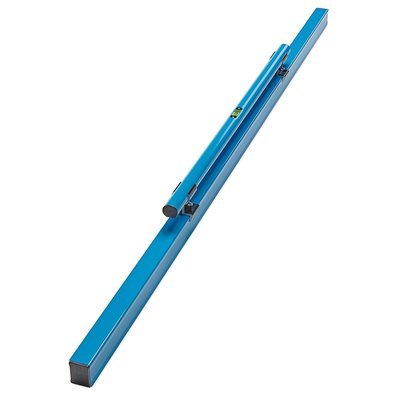
Aluminum screed board strikes off excess concrete level with your forms. Essential for smooth, even slabs.
Check Aluminum Screed Boards on Amazon → -
Hand Finishing
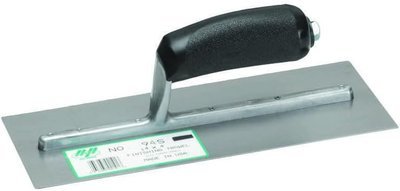
High-carbon steel trowel produces a hard, smooth finish once bleed water evaporates. Standard tool for every pour.
Check Concrete Trowels on Amazon → -
Knee Protection
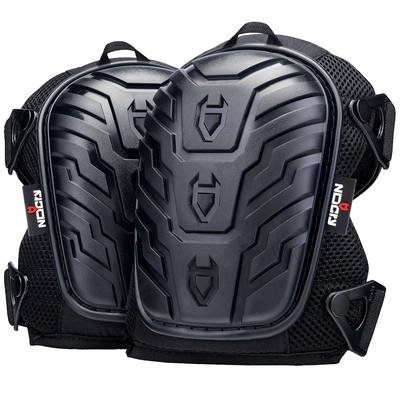
Heavy-duty gel knee pads protect your joints during long finishing hours on wet concrete and kneeling work.
Check NoCry Knee Pads on Amazon → -
Eye & Face Safety

ANSI Z87.1 approved safety glasses block alkaline wet concrete splashes before they reach your eyes.
Check NoCry Safety Glasses on Amazon →