Calculate concrete volume for poured walls or block count for CMU walls -- with rebar and structural reinforcement guidance.
Wall Thickness Standards by Use
| Wall Type | Standard Thickness | PSI Spec | Reinforcement |
|---|---|---|---|
| Foundation wall (residential) | 8-10 inches | 3000 PSI | #4 rebar 24" o.c. both ways |
| Retaining wall (under 4 ft) | 6-8 inches | 3000 PSI | #4 rebar at 18" o.c. |
| Retaining wall (4-8 ft) | 8-12 inches | 3500-4000 PSI | Engineering required |
| Garden/landscape wall | 4-6 inches | 2500 PSI | Optional wire mesh |
| CMU block wall (residential) | 8 inches (single) | N/A | Vertical rebar in cores 32" o.c. |
Poured Concrete vs CMU Block -- Which to Choose
Stronger and more waterproof than block. Better for foundations and retaining walls subject to lateral pressure. Requires forms (significant cost and labor) and a single continuous pour. Best for walls over 4 feet tall or load-bearing applications.
Easier for DIYers -- no forms needed, work in stages. Lower cost for smaller projects. Standard 8×8×16-inch block covers about 0.89 sq ft of wall surface. Fill cores with concrete grout and rebar for structural strength.
Wall Forming and Pouring Process
For poured walls, the form system is the most expensive and time-consuming part. Common options:
- Plywood with 2x4 framing: Cheapest DIY option. Use 3/4-inch plywood with 2×4 studs at 16-inch centers. Brace heavily -- wet concrete will push out unbraced forms.
- Insulated Concrete Forms (ICF): Foam blocks that stay in place after pouring. More expensive but provide built-in insulation. Stack like Legos and pour all at once.
- Aluminum or steel forms: Rental cost $1-3 per square foot per week. Best for foundations or commercial work.
Pour walls in lifts no thicker than 4 feet at a time to prevent form failure. Vibrate or rod the concrete to eliminate voids. Strip forms after 24-48 hours minimum, but the wall does not reach full strength for 28 days.
Drainage Behind Concrete Walls
Hydrostatic pressure from water trapped behind a wall is the leading cause of wall failure -- more than soil pressure, more than poor concrete strength. A 6-foot wall holding back saturated soil can experience over 1,000 lbs of lateral pressure per linear foot. That pressure pushes the wall outward and cracks it.
Required drainage components for any earth-retaining wall:
- Perforated drain pipe: 4-inch diameter at the base of the wall, sloped 1/8 inch per foot to daylight or a sump
- Gravel backfill: Minimum 6 inches of clean #57 stone (1 to 1.5 inch crushed rock) directly behind the wall extending to within 12 inches of finished grade
- Filter fabric: Wraps the gravel and pipe to prevent soil from clogging drainage paths over time
- Waterproofing membrane: Applied to the back face of poured walls below grade to keep groundwater out of the basement or crawlspace
Cost Estimating for Concrete Walls
Wall costs depend on type, height, and DIY vs contractor pricing. Approximate ranges per square foot installed:
- DIY CMU block wall: $8-15 per sq ft including blocks, mortar, rebar, and grout
- DIY poured wall (with form rental): $12-22 per sq ft including concrete, forms, rebar
- Contractor poured foundation wall: $25-45 per sq ft installed
- Contractor retaining wall (engineered): $30-60 per sq ft installed
- ICF (Insulated Concrete Forms): $15-30 per sq ft DIY, $40-60 contractor installed
For walls over 4 feet tall, factor in engineering review costs ($300-1,500) and permit fees ($100-500 typical). These costs are mandatory in most jurisdictions for retaining walls and are highly recommended for any structural wall regardless of code requirement.
Concrete Wall FAQ
How thick should a concrete foundation wall be?+
For residential foundations, 8-10 inches is the standard thickness. The exact requirement depends on backfill height and soil conditions per IRC code. For walls over 8 feet tall or supporting heavy loads, consult a structural engineer.
How much rebar goes in a concrete wall?+
For residential foundation walls, install vertical #4 rebar at 24-inch centers and horizontal #4 rebar at 24-inch centers, creating a grid. Walls over 6 feet tall typically require denser reinforcement -- consult IRC Table R404.1.2(8) or a structural engineer.
Can I pour a concrete wall myself?+
Walls under 4 feet tall and 20 feet long are reasonable DIY projects with proper forms. Walls over 4 feet, foundation walls, or walls supporting structures should be poured by professionals because form failures can be catastrophic and expensive to fix.
How long does a concrete wall take to cure?+
Concrete walls reach 70 percent strength in 7 days and 90 percent strength in 14 days. Full design strength is reached at 28 days. You can strip forms after 24-48 hours but should not backfill against the wall for at least 7 days.
Affiliate Disclosure: As an Amazon Associate, this site earns from qualifying purchases. Links on this page may earn a small commission at no extra cost to you.
Recommended Jobsite Tools
-
Leveling & Screeding
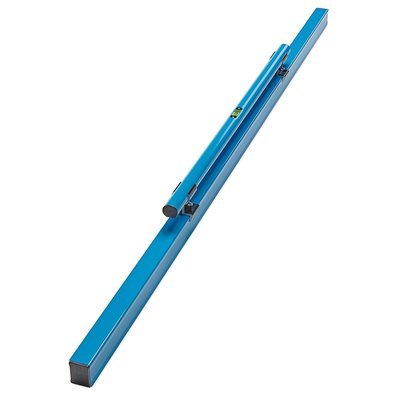
Aluminum screed board strikes off excess concrete level with your forms. Essential for smooth, even slabs.
Check Aluminum Screed Boards on Amazon → -
Hand Finishing
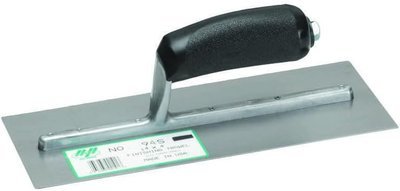
High-carbon steel trowel produces a hard, smooth finish once bleed water evaporates. Standard tool for every pour.
Check Concrete Trowels on Amazon → -
Knee Protection
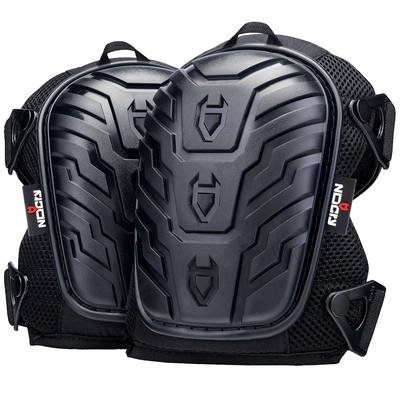
Heavy-duty gel knee pads protect your joints during long finishing hours on wet concrete and kneeling work.
Check NoCry Knee Pads on Amazon → -
Eye & Face Safety

ANSI Z87.1 approved safety glasses block alkaline wet concrete splashes before they reach your eyes.
Check NoCry Safety Glasses on Amazon →