
Cost Calculator
Slab Results
| Application | Min Thickness | Recommended | PSI |
|---|---|---|---|
| Sidewalk / Walkway | 3" | 4" | 3000 |
| Backyard Patio | 3.5" | 4" | 3000-4000 |
| Residential Driveway | 4" | 5" | 4000 |
| Garage Floor | 4" | 5-6" | 4000 |
| Heavy Equipment Pad | 6" | 8" | 5000 |
Concrete Cost Breakdown by Project Type
Installed concrete flatwork runs $6-$12 per square foot in 2026, with materials making up roughly 40-55% of that and labor, forms, base, and finishing covering the rest.
| Project | Typical Size | DIY Material Cost | Pro Installed Cost |
|---|---|---|---|
| Patio (10×12) | 120 sq ft, 4" thick | $280-$450 | $960-$1,800 |
| Sidewalk (3×30) | 90 sq ft, 4" thick | $220-$330 | $540-$1,170 |
| Driveway single (10×30) | 300 sq ft, 4" thick | $650-$1,050 | $2,400-$4,500 |
| Driveway double (20×30) | 600 sq ft, 4" thick | $1,300-$2,100 | $4,800-$9,000 |
| Garage floor (22×22) | 484 sq ft, 4" thick | $1,100-$1,700 | $3,900-$7,250 |
| Pier footing (12" dia × 36" deep) | Per pier | $8-$15 | $60-$150 |
| Stamped patio (10×12) | 120 sq ft | $340-$540 | $1,440-$2,640 |
Prices reflect average 2026 US costs. Regional variation can be ±30% -- labor in coastal cities runs higher, rural areas lower.
What Drives Concrete Cost
Standard 3,000 PSI concrete is the baseline. 4,000 PSI for driveways adds $5-$10/yard. 5,000 PSI for high-traffic or freeze-thaw zones adds $10-$15/yard. Specialty mixes (fiber-reinforced, fast-set, high-early-strength) add $15-$30/yard.
Ready-mix trucks hold 9-11 yards. Ordering less than ~3 yards triggers a "short-load fee" of $75-$200. For projects under 1.5 yards, bagged concrete is almost always cheaper than ready-mix delivery.
Wire mesh: $0.30-$0.50/sq ft. #3 rebar grid (12" spacing): $0.60-$1.00/sq ft. Fiber-reinforced concrete: $5-$8/yard upcharge. For driveways and garage floors, rebar or mesh is cheap insurance against cracking.
Excavation: $0.50-$2.50/sq ft depending on soil. 4" gravel base: $0.40-$0.80/sq ft material plus compaction. Forms (lumber + stakes): $0.20-$0.40/linear ft. Removal of old concrete adds $1-$3/sq ft to demolition.
Broom finish: included in base price. Smooth trowel: small upcharge. Stamped/decorative: $4-$10/sq ft over standard. Acid stain: $2-$4/sq ft. Sealer (yearly recommended): $0.20-$0.60/sq ft DIY.
Coastal/urban areas: ready-mix runs $150-$220/yard. Rural/midwest: $110-$160/yard. Cold-weather pours (below 40°F) require hot water mix or accelerator: $10-$20/yard surcharge.
Concrete Cost by Project Type -- 2026 National Averages
A typical 2026 residential concrete project costs between $600 for a small walkway and $8,000+ for a full driveway replacement, driven mostly by square footage and site prep.
| Project | Typical Size | Cost per Sq Ft | Total Installed |
|---|---|---|---|
| Sidewalk (4") | 3×20 ft | $6-$12 | $360-$720 |
| Patio (4") | 12×16 ft | $7-$12 | $1,344-$2,304 |
| Driveway (4-5") | 20×30 ft | $8-$14 | $4,800-$8,400 |
| Garage floor (6") | 24×24 ft | $8-$16 | $4,608-$9,216 |
| Stamped patio | 12×16 ft | $12-$22 | $2,304-$4,224 |
| Basement floor (4") | 1,000 sq ft | $5-$10 | $5,000-$10,000 |
Ready-mix concrete itself costs $120-$180 per cubic yard delivered. Labor accounts for 40-60% of total installed cost. Getting 3 quotes from local contractors is always worthwhile -- concrete pricing varies significantly by region and by how busy contractors are in your area.
How to Save Money on Concrete
Ready-mix prices vary 15-25% between suppliers in the same city. Always call at least two batch plants for competing quotes before ordering. Schedule your pour mid-week when plants are less busy and more likely to give favorable pricing and on-time delivery. Avoid Friday pours -- if anything goes wrong you are waiting until Monday for help.
For bagged concrete, buy in one large quantity from a single trip. Many big-box stores offer a contractor discount card even for one-time large purchases -- ask at the service desk. Buying 60 bags at once is significantly cheaper per bag than three separate trips of 20 bags each.
Cost Per Yard: Truck vs Short Load
A full ready-mix truck carries 9-10 cubic yards; order less than 3-4 yards and most suppliers add a short-load fee of $50-$200 on top of the per-yard price.
| 2026 Truck | Max Payload | Concrete Capacity | Bag Capacity (80lb) |
|---|---|---|---|
| Toyota Tacoma (standard) | 1,521 lbs | ~0.38 cu yd | ~18 bags |
| Toyota Tacoma (i-FORCE MAX) | 1,705 lbs | ~0.42 cu yd | ~21 bags |
| Ford F-150 (PowerBoost Hybrid) | 1,740 lbs | ~0.43 cu yd | ~21 bags |
| Ford F-150 (5.0L V8) | 2,235 lbs | ~0.55 cu yd | ~27 bags |
| Ford F-150 (3.5L EcoBoost) | 2,440 lbs | ~0.61 cu yd | ~30 bags |
| 3/4-ton (F-250, Silverado 2500) | 3,500+ lbs | ~0.87 cu yd | ~43 bags |
*Payload values from 2026 manufacturer specs. Your actual payload is on the door-jamb sticker. Add accessories (toolbox, bedliner) and that number drops 100-300 lbs. A driver and passenger count against payload too.
If your project needs more than 1 cubic yard (4,000 lbs), pickup-truck delivery requires multiple trips. For 2+ cubic yards, ready-mix delivery is almost always cheaper than the gas, time, and suspension wear of multiple bag runs. Most ready-mix trucks deliver 8-10 yards in one trip.
Cost by Mix Strength (PSI)
Standard 3,000 PSI ready-mix runs $125-$195 per cubic yard in 2026 depending on region, with the NRMCA national average at $179.89, and each 500 PSI step up adds roughly $5-$10 per yard. Higher PSI uses more cement and costs more per cubic yard:
| Strength | Mix Ratio | Premium vs 3000 PSI | Use For |
|---|---|---|---|
| 2500 PSI | 1:2:4 | -5% | Footings, foundation walls |
| 3000 PSI (standard) | 1:2:3 | baseline | Driveways, slabs, sidewalks |
| 4000 PSI | 1:1.5:3 | +15-20% | Garage floors, RV pads |
| 5000 PSI | 1:1:2 | +30-40% | High-load applications |
Use our Mix Ratio Calculator for raw material quantities at any PSI.
Home Depot vs Ready-Mix vs Bag Costs -- 2026 Reality
Most concrete cost calculators online give a single national average and stop there. That number is misleading because cost varies by source. Here is the actual breakdown:
| Source | Cost Per Cu Yd | Hidden Costs | Best For |
|---|---|---|---|
| 80lb bags (Home Depot/Lowe's) | $220-$270 | Time + your labor + truck rental | Under 0.5 cu yd |
| Ready-mix delivery | $140-$180 | Short-load fee, fuel surcharge, Saturday fee | 1+ cu yd |
| Trailer-haul mix yourself | $95-$130 | Trailer rental, time, water access | DIYers with tools and time |
The $40-60 per yard gap between Home Depot bags and ready-mix delivery is real money on bigger pours. A 5 cu yd driveway pour costs $1,100-$1,350 in bags vs $700-$900 delivered. The break-even point in most markets is 1 to 1.5 cubic yards (45 to 68 bags) -- past that, delivery wins on every metric (time, money, back pain).
Hidden Costs Most Calculators Skip
A real concrete project budget includes more than just the concrete. Here are the costs most online calculators forget to include:
- Sub-base gravel: $80-$120 for a typical 10×10 patio (3-4 inches of #57 stone)
- Forms (lumber + stakes): $40-$80 for DIY 2x4 forms, $200+ for rented metal forms on larger jobs
- Rebar or wire mesh: $30-$100 depending on slab size and grid spacing
- Concrete tools (if you do not own them): $40-$80 for a bull float, edger, groover, mag float, rake
- Sealer (optional but smart): $25-$40 per gallon, covers 200-300 sq ft
- Short-load fee: $50-$150 if you order less than the truck minimum (usually 3 yards)
- Saturday or after-hours delivery: +$50-$100 over standard weekday rates
- Pump truck: $250-$500 if the truck cannot back up to your pour site
For a typical 10×10×4-inch DIY patio, the true installed cost runs $300-$450 -- not the $150-$200 just the concrete portion suggests. Budget the full stack before you decide DIY vs hire a contractor.
When to Hire a Contractor Instead
Contractor-installed concrete typically costs $8-$15 per square foot for a basic 4-inch slab -- about 2-3× the DIY material cost. That premium covers their labor, tools, expertise, insurance, and finish quality. Consider hiring out if:
- The pour is over 3 cubic yards and you do not have help (concrete sets in 90 minutes -- you need 2-3 people minimum)
- The site needs significant excavation, grading, or drainage work
- Decorative finishes are involved (stamped, stained, exposed aggregate, broom finish over 200 sq ft)
- The pour is structural (foundation walls, suspended slabs, anything load-bearing)
- Your local code requires permits and inspection -- contractors handle the paperwork
For a small DIY patio or shed pad, hiring out adds $400-$800 to the project. For a 200-square-foot driveway or larger, contractor pricing often becomes the smart move once you factor in the cost of mistakes (a botched DIY pour can cost more to demolish and redo than the original contractor estimate).
Concrete Cost FAQ
What does a cubic yard of concrete actually cost in 2026?+
Material typically runs 125 to 195 dollars per cubic yard delivered, with the NRMCA national average near 180, before extras. Short-load fees on orders under 3 to 4 yards add 60 to 150 dollars, and Saturday or after-hours delivery adds more. Installed, most residential flatwork lands between 6 and 12 dollars per square foot.
When does bagged concrete stop being cheaper than ready-mix?+
Right around one cubic yard. A yard takes 45 bags of 80 lb, roughly 330 dollars in material plus a full day of mixing. Ready-mix for the same yard is often under 200 dollars delivered. Below half a yard, bags win on convenience.
What hidden costs show up on a concrete quote?+
Short-load fees, pump rental if the truck cannot reach the pour, form lumber, gravel base, rebar or mesh, sawcutting, and disposal of the old slab. On a small residential job these extras routinely add 30 to 50 percent on top of the concrete itself.
Does adding rebar change the cost much?+
Less than people expect. Number 4 bar on an 18 inch grid runs roughly 0.40 to 0.80 dollars per square foot in material. On a 400 square foot slab that is 160 to 320 dollars against a slab that costs thousands to replace if it cracks.
Affiliate Disclosure: As an Amazon Associate, this site earns from qualifying purchases. Links on this page may earn a small commission at no extra cost to you.
Recommended Jobsite Tools
-
Leveling & Screeding
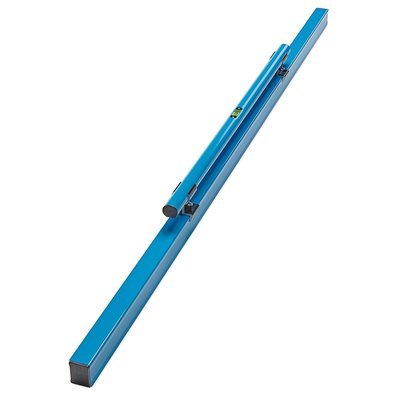
Aluminum screed board strikes off excess concrete level with your forms. Essential for smooth, even slabs.
Check Aluminum Screed Boards on Amazon → -
Hand Finishing
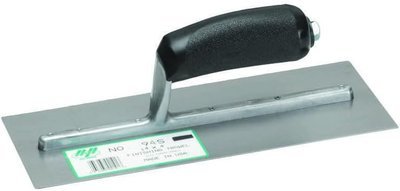
High-carbon steel trowel produces a hard, smooth finish once bleed water evaporates. Standard tool for every pour.
Check Concrete Trowels on Amazon → -
Knee Protection
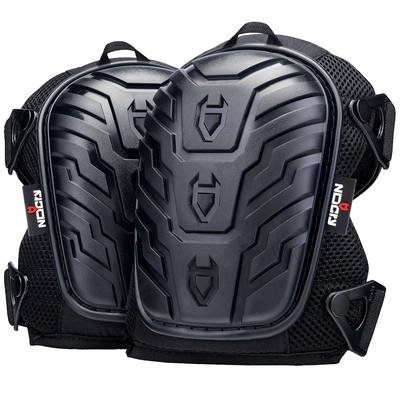
Heavy-duty gel knee pads protect your joints during long finishing hours on wet concrete and kneeling work.
Check NoCry Knee Pads on Amazon → -
Eye & Face Safety

ANSI Z87.1 approved safety glasses block alkaline wet concrete splashes before they reach your eyes.
Check NoCry Safety Glasses on Amazon →