Concrete Yard Calculator
Cubic Yard Results
Concrete Yard Quick Reference
| Project | Dimensions | Cubic Yards | + 10% Order |
|---|---|---|---|
| Sidewalk | 3 × 30 × 4" | 1.11 | 1.22 |
| Patio (small) | 10 × 12 × 4" | 1.48 | 1.63 |
| Patio (medium) | 14 × 20 × 4" | 3.46 | 3.81 |
| Driveway (single) | 10 × 30 × 4" | 3.70 | 4.07 |
| Driveway (double) | 20 × 30 × 4" | 7.41 | 8.15 |
| Garage floor (1-car) | 12 × 22 × 4" | 3.26 | 3.59 |
| Garage floor (2-car) | 22 × 22 × 4" | 5.97 | 6.57 |
| Shed pad | 10 × 12 × 4" | 1.48 | 1.63 |
For projects under 1.5 yards, bagged concrete is almost always cheaper than ready-mix delivery (which charges short-load fees of $75-$200 below 3 yards).
Cubic Yards vs Cubic Feet vs Bags
1 cubic yard = 27 cubic feet. Picture a cube 3 feet on each side. That's a yard. It's the standard unit ready-mix suppliers use because it's how trucks are measured (a typical drum holds 9-11 yards).
1 cubic yard ≈ 45 bags of 80 lb concrete (each yields ~0.60 cu ft). Or about 60 bags of 60 lb (each yields ~0.45 cu ft). Or 90 bags of 40 lb (each yields ~0.30 cu ft).
When to order by the yard (ready-mix): 3+ cubic yards. The savings versus bags is significant once you hit a full delivery, and you save many hours of mixing labor.
When to order by the bag: Under 1 cubic yard, or for projects in tight spaces a truck can't reach (back yards, narrow side gates, tight side-yard footings). For 1-3 yards, run the cost both ways before deciding.
Ready-Mix vs Bags: The Real Break-Even
Bags every time. Ready-mix has a short-load fee of $75-$200 below 3 yards. 45 bags of 80lb at $6.47 each = about $291 -- far cheaper than the minimum delivery charge plus concrete cost.
Ready-mix wins on labor. Mixing 135+ bags by hand takes hours and wears you out before the pour begins. A standard truck load (9 yards) at $150/yard delivered costs $1,350 -- vs 405 bags at $6 = $2,430 in materials alone before labor.
How Ready-Mix Concrete Delivery Works
A standard ready-mix truck carries 8-10 cubic yards. Most residential pours need 3-8 yards. Always order 10% more than your calculated amount -- you cannot call for a second delivery mid-pour without a serious cold joint problem.
Ordering less than 3 yards typically triggers a short-load fee of $75-$200. If you need 2 yards, buying bags may be cheaper than paying the short-load surcharge. Use our calculator to compare options.
Trucks typically allow 7-10 minutes per yard for unloading. After that, overtime charges of $1-$3 per minute apply. Have your crew and tools ready before the truck arrives. Never let the driver wait.
Standard residential slab: 3,000 PSI. Driveway or garage floor: 3,500-4,000 PSI. Footings and foundations: 3,000-4,000 PSI. The higher the PSI the stronger and more expensive the mix. Specify PSI when you call -- not all plants use the same default.
Yard Order: Truck vs Short Load
| 2026 Truck | Max Payload | Concrete Capacity | Bag Capacity (80lb) |
|---|---|---|---|
| Toyota Tacoma (standard) | 1,521 lbs | ~0.38 cu yd | ~18 bags |
| Toyota Tacoma (i-FORCE MAX) | 1,705 lbs | ~0.42 cu yd | ~21 bags |
| Ford F-150 (PowerBoost Hybrid) | 1,740 lbs | ~0.43 cu yd | ~21 bags |
| Ford F-150 (5.0L V8) | 2,235 lbs | ~0.55 cu yd | ~27 bags |
| Ford F-150 (3.5L EcoBoost) | 2,440 lbs | ~0.61 cu yd | ~30 bags |
| 3/4-ton (F-250, Silverado 2500) | 3,500+ lbs | ~0.87 cu yd | ~43 bags |
*Payload values from 2026 manufacturer specs. Your actual payload is on the door-jamb sticker. Add accessories (toolbox, bedliner) and that number drops 100-300 lbs. A driver and passenger count against payload too.
If your project needs more than 1 cubic yard (4,000 lbs), pickup-truck delivery requires multiple trips. For 2+ cubic yards, ready-mix delivery is almost always cheaper than the gas, time, and suspension wear of multiple bag runs. Most ready-mix trucks deliver 8-10 yards in one trip.
Concrete Yards FAQ
How many cubic yards of concrete do I need?+
Multiply length × width × depth (all in feet) then divide by 27. For a 20×10 slab at 4 inches: 20 × 10 × 0.333 ÷ 27 = 2.47 cubic yards. Add 10% for waste.
How much does a cubic yard of concrete weigh?+
A cubic yard of standard 3000 PSI concrete weighs approximately 4,050 lbs, or about 2 tons.
What is the minimum order for ready-mix concrete?+
Most ready-mix suppliers have a 1-cubic-yard minimum but charge a short-load fee of $100-$200 for orders under 5-7 yards.
How many yards does a concrete truck hold?+
A standard ready-mix drum truck holds 8-10 cubic yards. A volumetric or mini-mixer truck can deliver as little as 1-4 yards.
When should I order ready-mix instead of bagged concrete?+
For pours over 1 cubic yard, ready-mix is more cost-effective and produces more consistent results. Below 1 yard, bagged concrete is usually more practical.
How long does concrete stay workable in the truck?+
Ready-mix concrete remains workable for approximately 90 minutes from when water is added at the plant. Hot weather shortens this window significantly.
What is a concrete short-load fee?+
A surcharge charged when your order falls below the supplier's full-truck minimum. Typically $100-$200 depending on the supplier and how far under minimum your order is.
How do I calculate concrete for multiple areas?+
Calculate each section separately using L × W × D ÷ 27, then add the cubic yards together. Our multi-section calculator does this automatically.
Affiliate Disclosure: As an Amazon Associate, this site earns from qualifying purchases. Links on this page may earn a small commission at no extra cost to you.
Recommended Jobsite Tools
-
Leveling & Screeding
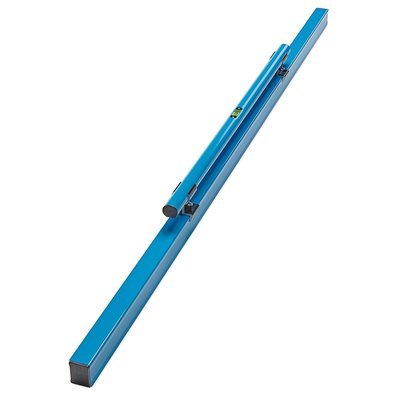
Aluminum screed board strikes off excess concrete level with your forms. Essential for smooth, even slabs.
Check Aluminum Screed Boards on Amazon → -
Hand Finishing
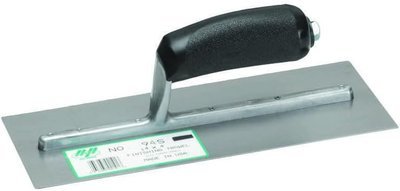
High-carbon steel trowel produces a hard, smooth finish once bleed water evaporates. Standard tool for every pour.
Check Concrete Trowels on Amazon → -
Knee Protection
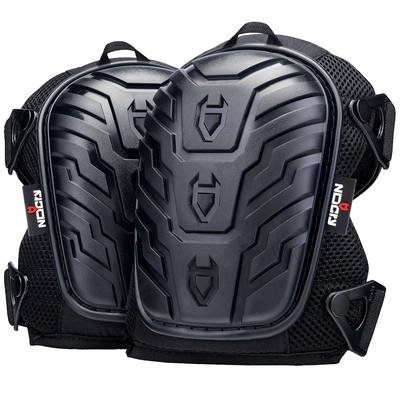
Heavy-duty gel knee pads protect your joints during long finishing hours on wet concrete and kneeling work.
Check NoCry Knee Pads on Amazon → -
Eye & Face Safety

ANSI Z87.1 approved safety glasses block alkaline wet concrete splashes before they reach your eyes.
Check NoCry Safety Glasses on Amazon →