Gravel Calculator
Gravel Results
| Depth | 1 Ton Covers | 1 Yd³ Covers | Best Use |
|---|---|---|---|
| 2 inches | ~100 sq ft | ~162 sq ft | Top dressing, decorative beds |
| 3 inches | ~65 sq ft | ~108 sq ft | Paths, playgrounds |
| 4 inches | ~50 sq ft | ~81 sq ft | Driveways, base layers |
| 6 inches | ~33 sq ft | ~54 sq ft | Heavy traffic, drainage |
A properly built gravel driveway uses three compacted layers:
Quarries and landscape suppliers sell gravel by the ton. Concrete suppliers sell by the cubic yard. Our calculator outputs both so you can order correctly regardless of how your supplier quotes. The conversion depends on material density -- crushed stone is 1.4 tons per cubic yard, while lighter materials like decomposed granite run about 1.25 tons per yard. When in doubt, add 10-15% to your calculated amount to account for compaction loss and waste during delivery and spreading.
Gravel Coverage by Depth
| Depth | 1 Cu Yd Covers | Common Use | Tons per Cu Yd |
|---|---|---|---|
| 2" | 162 sq ft | Decorative top dressing | ~1.4 tons |
| 3" | 108 sq ft | Walkway base layer | ~1.4 tons |
| 4" | 81 sq ft | Driveway, patio base | ~1.4 tons |
| 6" | 54 sq ft | Heavy vehicle driveway | ~1.4 tons |
| 12" | 27 sq ft | French drain, trench fill | ~1.4 tons |
Gravel Types and What to Use Each For
| Gravel Type | Size | Best Use | Compacts? | Cost per Ton |
|---|---|---|---|---|
| Crushed stone (#57) | 3/4" | Drainage, concrete base, driveways | No (free draining) | $30-$55 |
| Crusher run (ABC) | 0-3/4" | Driveway base, compactable base | Yes -- ideal base | $25-$45 |
| Pea gravel | 3/8" | Walkways, playgrounds, drainage | No -- shifts | $35-$55 |
| River rock | 1-4" | Decorative, erosion control | No | $45-$85 |
| Rip rap | 4-18" | Erosion control, slope stabilization | No | $40-$70 |
For a concrete base layer, always use crushed stone #57 -- not pea gravel. Pea gravel is round and shifts under load, making a poor base. Crushed stone has angular edges that lock together and provide stable support. For a driveway base you want to compact, use crusher run -- the mix of sizes compacts into a dense, stable layer.
Bags vs Bulk Gravel -- Which to Buy
- You need less than 1 cubic yard
- No delivery truck access to your site
- Multiple small separate areas
- You need it immediately (no delivery wait)
- You need more than 2 cubic yards
- Truck can reach your site
- One continuous project area
- Saving 40-60% vs bagged price matters
Bagged gravel (0.5 cu ft bags) costs about $5-7 per bag at big-box stores, which works out to $270-$380 per cubic yard. Bulk gravel delivered runs $40-$70 per cubic yard depending on type and your location. At 2+ yards the savings are significant. Call your local landscape supplier for a delivered price before buying bags for any project larger than a small walkway or flower bed border.
Gravel Delivery: Bulk vs Bags
| 2026 Truck | Max Payload | Concrete Capacity | Bag Capacity (80lb) |
|---|---|---|---|
| Toyota Tacoma (standard) | 1,521 lbs | ~0.38 cu yd | ~18 bags |
| Toyota Tacoma (i-FORCE MAX) | 1,705 lbs | ~0.42 cu yd | ~21 bags |
| Ford F-150 (PowerBoost Hybrid) | 1,740 lbs | ~0.43 cu yd | ~21 bags |
| Ford F-150 (5.0L V8) | 2,235 lbs | ~0.55 cu yd | ~27 bags |
| Ford F-150 (3.5L EcoBoost) | 2,440 lbs | ~0.61 cu yd | ~30 bags |
| 3/4-ton (F-250, Silverado 2500) | 3,500+ lbs | ~0.87 cu yd | ~43 bags |
*Payload values from 2026 manufacturer specs. Your actual payload is on the door-jamb sticker. Add accessories (toolbox, bedliner) and that number drops 100-300 lbs. A driver and passenger count against payload too.
If your project needs more than 1 cubic yard (4,000 lbs), pickup-truck delivery requires multiple trips. For 2+ cubic yards, ready-mix delivery is almost always cheaper than the gas, time, and suspension wear of multiple bag runs. Most ready-mix trucks deliver 8-10 yards in one trip.
Gravel FAQ
How much gravel do I need?+
Multiply L × W × depth (all in feet) and divide by 27 for cubic yards. Multiply by material density to get tons. For a 20×20 area at 4 inches: (20 × 20 × 0.333) ÷ 27 = 4.93 yd³ × 1.4 = 6.9 tons.
How many tons of gravel are in a cubic yard?+
Crushed stone: 1.4 tons per yd³. Pea gravel: 1.2 tons per yd³. River rock: 1.35 tons per yd³. Limestone: 1.5 tons per yd³. Our material selector applies the correct density automatically.
How deep should a gravel driveway be?+
Build a gravel driveway in layers: 4 inches of compacted base course stone, then 2-3 inches of surface gravel. Total depth of 6-7 inches, each layer compacted separately.
How much does a cubic yard of gravel weigh?+
Crushed stone weighs approximately 2,800 lbs per cubic yard (1.4 tons). Pea gravel is lighter at about 2,400 lbs. All gravel compacts 15-20% after settling.
Affiliate Disclosure: As an Amazon Associate, this site earns from qualifying purchases. Links on this page may earn a small commission at no extra cost to you.
Recommended Jobsite Tools
-
Leveling & Screeding
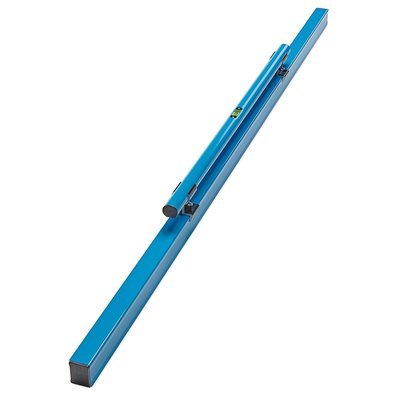
Aluminum screed board strikes off excess concrete level with your forms. Essential for smooth, even slabs.
Check Aluminum Screed Boards on Amazon → -
Hand Finishing
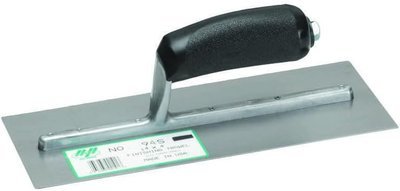
High-carbon steel trowel produces a hard, smooth finish once bleed water evaporates. Standard tool for every pour.
Check Concrete Trowels on Amazon → -
Knee Protection
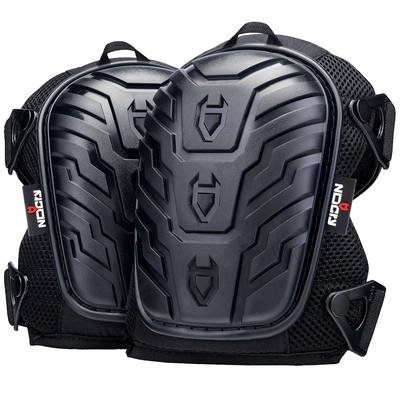
Heavy-duty gel knee pads protect your joints during long finishing hours on wet concrete and kneeling work.
Check NoCry Knee Pads on Amazon → -
Eye & Face Safety

ANSI Z87.1 approved safety glasses block alkaline wet concrete splashes before they reach your eyes.
Check NoCry Safety Glasses on Amazon →