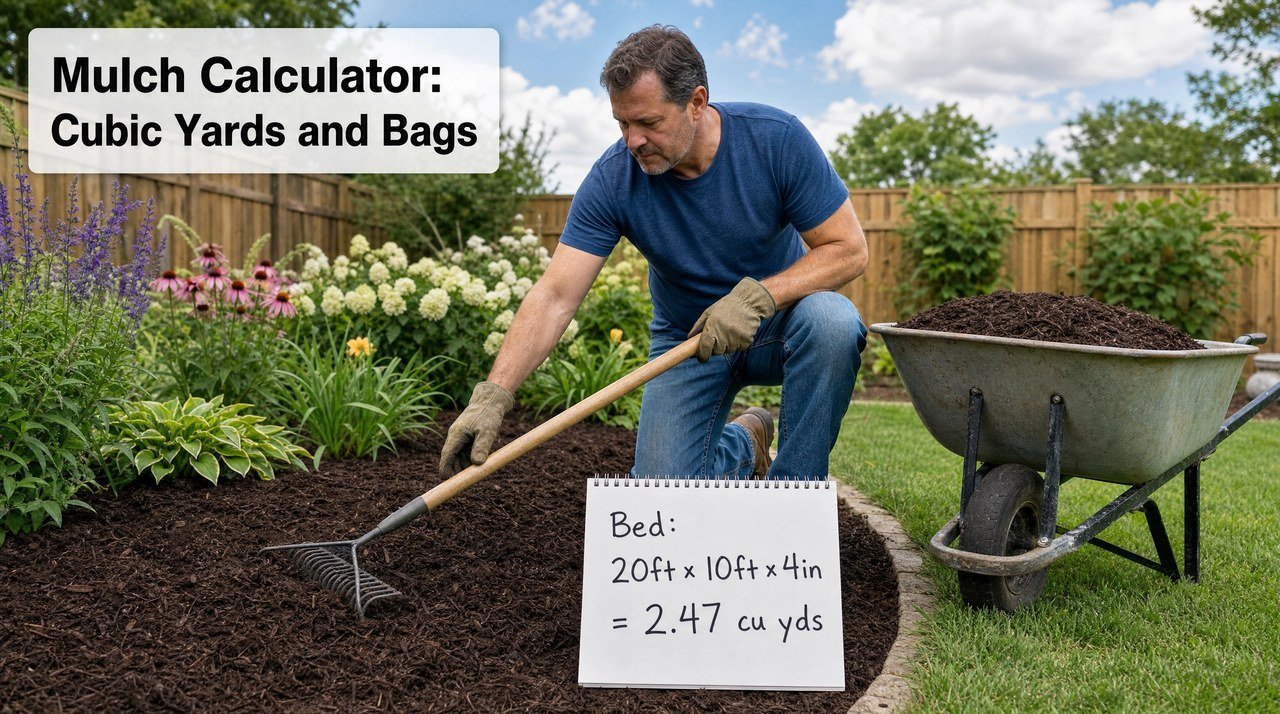
Mulch Calculator
Mulch Results
Bulk mulch from a local landscape supplier typically costs $25-$45 per cubic yard. The same volume in bagged mulch (at $5.48 per 2 cu ft bag from Home Depot) works out to $74/yard equivalent. The break-even point is usually around 2-3 cubic yards. Below that, bags may be more practical because they're easier to transport and you can buy exactly what you need with no leftover. Above 3 yards, bulk delivery almost always wins on price -- even after adding the delivery fee.
Mulch Depth Guide
One cubic yard of mulch covers 108 sq ft at 3 inches deep or 81 sq ft at 4 inches. Bagged mulch (2 cu ft bags) covers about 8 sq ft at 3 inches. Bulk delivery by the yard is significantly cheaper for areas over 200 sq ft.
Mulch Types -- What to Use and When
Most popular choice. Breaks down slowly into organic matter. Stays in place well -- doesn't wash away easily. Good for flower beds, shrubs, and trees. Apply 2-3 inches deep. Replenish annually.
Natural insect repellent. Breaks down very slowly -- lasts 2-3 years. Good for areas near the house where you want to discourage insects. More expensive than hardwood bark but requires less frequent replacement.
Cheap and effective. Locks together so it doesn't wash away on slopes. Good for acid-loving plants (azaleas, rhododendrons, blueberries). Apply 3-4 inches. Very common in the Southeast US.
Made from recycled tires. Lasts 10+ years without decomposing. Best for playgrounds where fall impact cushioning is needed. Not recommended for garden beds -- leaches chemicals over time and doesn't improve soil.
One cubic yard of bulk mulch covers 108 square feet at 3 inches deep, or 81 square feet at 4 inches. Bagged mulch (2 cu ft bags) costs about 2× bulk price per yard -- buy bulk if you need more than 3 yards. Never apply more than 4 inches of mulch or pile it against plant stems -- "mulch volcanoes" around tree trunks cause rot and pest problems.
Mulch Delivery and Bulk Ordering Guide
| 2026 Truck | Max Payload | Concrete Capacity | Bag Capacity (80lb) |
|---|---|---|---|
| Toyota Tacoma (standard) | 1,521 lbs | ~0.38 cu yd | ~18 bags |
| Toyota Tacoma (i-FORCE MAX) | 1,705 lbs | ~0.42 cu yd | ~21 bags |
| Ford F-150 (PowerBoost Hybrid) | 1,740 lbs | ~0.43 cu yd | ~21 bags |
| Ford F-150 (5.0L V8) | 2,235 lbs | ~0.55 cu yd | ~27 bags |
| Ford F-150 (3.5L EcoBoost) | 2,440 lbs | ~0.61 cu yd | ~30 bags |
| 3/4-ton (F-250, Silverado 2500) | 3,500+ lbs | ~0.87 cu yd | ~43 bags |
*Payload values from 2026 manufacturer specs. Your actual payload is on the door-jamb sticker. Add accessories (toolbox, bedliner) and that number drops 100-300 lbs. A driver and passenger count against payload too.
If your project needs more than 1 cubic yard (4,000 lbs), pickup-truck delivery requires multiple trips. For 2+ cubic yards, ready-mix delivery is almost always cheaper than the gas, time, and suspension wear of multiple bag runs. Most ready-mix trucks deliver 8-10 yards in one trip.
Mulch FAQ
How much mulch do I need?+
Multiply L × W × depth (in feet) and divide by 27 for cubic yards. A 20×10 bed at 3 inches: 20 × 10 × 0.25 ÷ 27 = 1.85 cubic yards. One cubic yard covers about 108 sq ft at 3 inches deep.
How many bags of mulch equal one cubic yard?+
Standard mulch bags are 2 cubic feet each. One cubic yard equals 27 cubic feet, so you need 13.5 bags per yard -- round up to 14 bags.
How deep should mulch be applied?+
Apply 2-3 inches of mulch in established beds. Keep mulch 2-4 inches away from plant stems and tree trunks. Never exceed 4 inches total depth -- deeper mulch creates conditions that suffocate roots.
How much does mulch cost?+
Bulk mulch from a landscape supplier costs $25-$50 per cubic yard. Bagged mulch at Home Depot or Lowes runs $3.50-$7 per 2 cubic foot bag, which equals $47-$95 per cubic yard equivalent.
Is bulk mulch cheaper than bagged mulch?+
Yes, significantly. Bulk mulch at $35 per yard is about half the cost of equivalent bagged mulch. The break-even point is around 2-3 cubic yards -- beyond that, bulk delivery almost always wins.
What is the best mulch for vegetable gardens?+
Use straw, untreated wood chips, shredded leaves, or grass clippings. Avoid dyed mulches near edible plants. Straw at 3-4 inches suppresses weeds well without adding chemicals.
How often should mulch be replaced?+
Wood mulch breaks down in 1-3 years. Rather than removing and replacing it annually, top dress with 1 inch of fresh mulch each year. Remove mulch that smells sour or has become anaerobic.
How do I keep mulch from washing away?+
Install metal or plastic edging to contain mulch at bed borders. Use chunky bark nuggets on slopes -- they grip better than fine shredded mulch. Address drainage issues before applying mulch in runoff zones.
Affiliate Disclosure: As an Amazon Associate, this site earns from qualifying purchases. Links on this page may earn a small commission at no extra cost to you.
Recommended Jobsite Tools
-
Leveling & Screeding
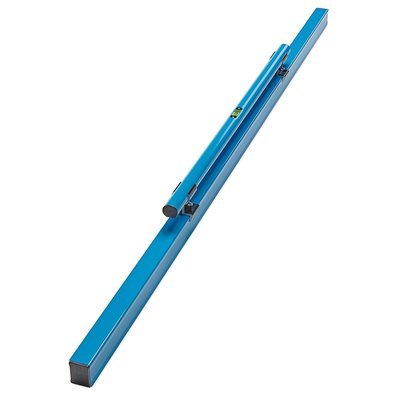
Aluminum screed board strikes off excess concrete level with your forms. Essential for smooth, even slabs.
Check Aluminum Screed Boards on Amazon → -
Hand Finishing
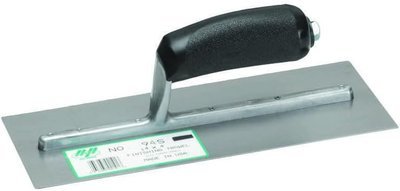
High-carbon steel trowel produces a hard, smooth finish once bleed water evaporates. Standard tool for every pour.
Check Concrete Trowels on Amazon → -
Knee Protection
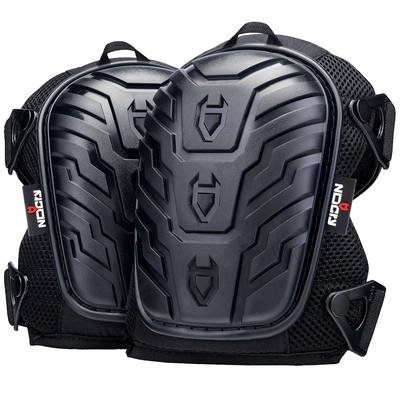
Heavy-duty gel knee pads protect your joints during long finishing hours on wet concrete and kneeling work.
Check NoCry Knee Pads on Amazon → -
Eye & Face Safety

ANSI Z87.1 approved safety glasses block alkaline wet concrete splashes before they reach your eyes.
Check NoCry Safety Glasses on Amazon →