Gravel Base Calculator
Gravel Results
| Depth | 1 Ton Covers | 1 Yd³ Covers | Best Use |
|---|---|---|---|
| 2 inches | ~100 sq ft | ~162 sq ft | Top dressing, decorative beds |
| 3 inches | ~65 sq ft | ~108 sq ft | Paths, playgrounds |
| 4 inches | ~50 sq ft | ~81 sq ft | Driveways, base layers |
| 6 inches | ~33 sq ft | ~54 sq ft | Heavy traffic, drainage |
A properly built gravel driveway uses three compacted layers:
Quarries and landscape suppliers sell gravel by the ton. Concrete suppliers sell by the cubic yard. Our calculator outputs both so you can order correctly regardless of how your supplier quotes. The conversion depends on material density -- crushed stone is 1.4 tons per cubic yard, while lighter materials like decomposed granite run about 1.25 tons per yard. When in doubt, add 10-15% to your calculated amount to account for compaction loss and waste during delivery and spreading.
Gravel Base Depth by Project Type
| Project | Base Depth | Stone Size | Notes |
|---|---|---|---|
| Concrete patio | 4" | Crushed #57 or roadbase | Compact in 2" lifts |
| Concrete sidewalk | 3-4" | Crushed #57 | More if soil is poor |
| Concrete driveway | 4-6" | Roadbase / Class 5 | 6" in clay or freeze zones |
| Garage slab | 4" | Crushed #57 | Vapor barrier on top |
| Asphalt driveway | 6-8" | Roadbase / Class 5 | Heavier than concrete base |
| Paver patio | 4-6" | Roadbase + 1" sand | Edge restraint required |
| Shed foundation | 4" | Crushed #57 | Level + compact |
| Gravel driveway (only) | 8-12" | 3 layers: roadbase → #57 → topcoat | Each layer compacted |
Why a Gravel Base Matters
A properly compacted gravel base does five jobs at once: it spreads load evenly to prevent cracking, drains water away from the slab, prevents frost heave in cold climates, levels the surface for accurate slab thickness, and gives the concrete a firm working surface during the pour.
The single biggest reason DIY concrete projects fail is inadequate base preparation. A 4-inch concrete slab on bare dirt will crack within 2-3 freeze-thaw cycles. The same slab on 4 inches of compacted roadbase will last 30+ years.
Compaction matters as much as quantity. Loose gravel offers almost no support. Aim for at least 95% compaction, achieved by spreading in 2-inch lifts and going over each lift with a plate compactor 3-4 passes minimum.
Roadbase vs Crushed Stone vs Pea Gravel
Mixed sizes from dust to 1". Compacts hard. Best for: driveways, heavy load applications, paver bases.
¾" angular stones, no fines. Drains well. Best for: patios, sidewalks, garage slabs in dry-soil regions.
Smooth round ¼-½" stones. Won't compact. Best for: drainage layers under footings -- NOT base for slabs.
How Much Gravel Under Concrete Slab -- By Project Type
Gravel base depth depends on what the slab supports and your soil conditions. Use this reference for the recommended depth and material type:
| Project Type | Base Depth | Gravel Type | Compaction Required |
|---|---|---|---|
| Sidewalk / walkway | 2-3 inches | #57 crushed stone | Hand tamp |
| Patio (4-inch slab) | 4 inches | #57 stone or 3/4-inch crushed | Plate compactor |
| Driveway (4-6 inch slab) | 6 inches | Crushed limestone (DOT-spec) | Plate compactor, 2 passes |
| Garage floor | 6-8 inches | Crushed limestone | Plate compactor, 2 passes |
| RV pad / heavy vehicle | 8-12 inches | Crushed limestone with geotextile | Roller compactor |
| Foundation footing | 4-6 inches | #57 stone | Plate compactor |
Why the depth matters: gravel base distributes the concrete load evenly across the soil and provides drainage so water cannot accumulate under the slab and cause heaving in freeze-thaw climates. Skipping or shorting the base is the #1 reason DIY slabs crack within the first 2-3 winters.
#57 Stone vs Crushed Limestone vs Pea Gravel
Not all gravel works under a slab. The three most common options at landscape supply yards each behave differently under load:
- #57 stone (3/4-inch crushed): The all-purpose standard. Angular pieces lock together for excellent load distribution and drainage. Best for patios, walkways, and foundation work. About $30-50 per cubic yard delivered.
- Crushed limestone (DOT-spec): Sharper edges and finer particles fill voids better than #57 -- produces a more compact, stable base. Required by many local codes for driveways. About $35-55 per cubic yard.
- Pea gravel: Smooth rounded stones. Do NOT use under concrete -- pea gravel cannot be compacted properly and the slab will settle unevenly. Pea gravel is for landscaping, not structural base.
- Sand: Acceptable as a leveling layer on top of compacted gravel, but never as the primary base. Sand washes out from under slabs and creates voids.
The rule of thumb: if it has rounded edges, it does not belong under your concrete. Angular crushed stone (or limestone) is what locks together and stays put when you compact it.
Gravel Base FAQ
How many square feet does 1 ton of gravel cover?+
At 4 inches deep, 1 ton of crushed stone covers about 50 square feet. At 2 inches deep, about 100 square feet. At 6 inches, approximately 33 square feet.
What type of gravel is best for a driveway?+
Use angular crushed stone, not round gravel. A 3-layer system works best: #3 stone base, #57 stone middle, and crusher run or #21A top layer that compacts into a firm surface.
How do I calculate gravel for a curved path or walkway?+
Measure the path at several points and use the average width. Multiply average width × length × depth ÷ 27 for cubic yards. Decomposed granite or pea gravel at 2-3 inches works well for walkways.
Can I order gravel by the truckload?+
Yes. Local quarries and landscape suppliers deliver by the ton. A standard dump truck holds 10-14 tons. Bulk quarry pricing is typically $20-$40 per ton cheaper than bags.
Affiliate Disclosure: As an Amazon Associate, this site earns from qualifying purchases. Links on this page may earn a small commission at no extra cost to you.
Recommended Jobsite Tools
-
Leveling & Screeding
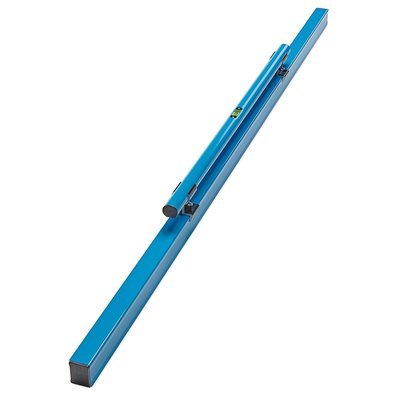
Aluminum screed board strikes off excess concrete level with your forms. Essential for smooth, even slabs.
Check Aluminum Screed Boards on Amazon → -
Hand Finishing
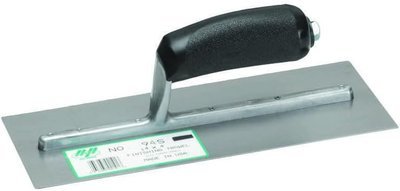
High-carbon steel trowel produces a hard, smooth finish once bleed water evaporates. Standard tool for every pour.
Check Concrete Trowels on Amazon → -
Knee Protection
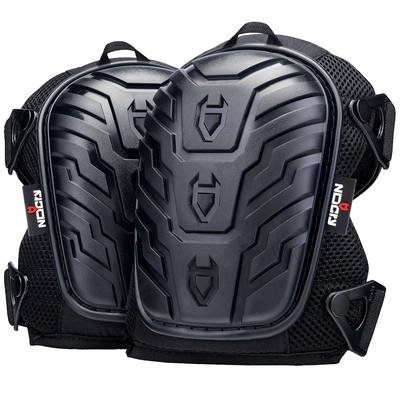
Heavy-duty gel knee pads protect your joints during long finishing hours on wet concrete and kneeling work.
Check NoCry Knee Pads on Amazon → -
Eye & Face Safety

ANSI Z87.1 approved safety glasses block alkaline wet concrete splashes before they reach your eyes.
Check NoCry Safety Glasses on Amazon →